
UX CASE STUDY
Live Ops Alerting Dashboard
Real-time AI Alerts, 2024
Designing clarity for real-time operational decision-making
UX CASE STUDY
Live Ops Alerting Dashboard
Real-time AI Alerts, 2024
Designing clarity for real-time operational decision-making
UX CASE STUDY
Live Ops Alerting Dashboard
Real-time AI Alerts, 2024
Designing live operational awareness for AI-driven systems.
UX CASE STUDY
Live Ops Alerting Dashboard
Real-time AI Alerts, 2024
Designing clarity for real-time operational decision-making.
UX CASE STUDY
Live Ops Alerting Dashboard
Real-time AI Alerts, 2024
Designing clarity for real-time operational decision-making
OVERVIEW
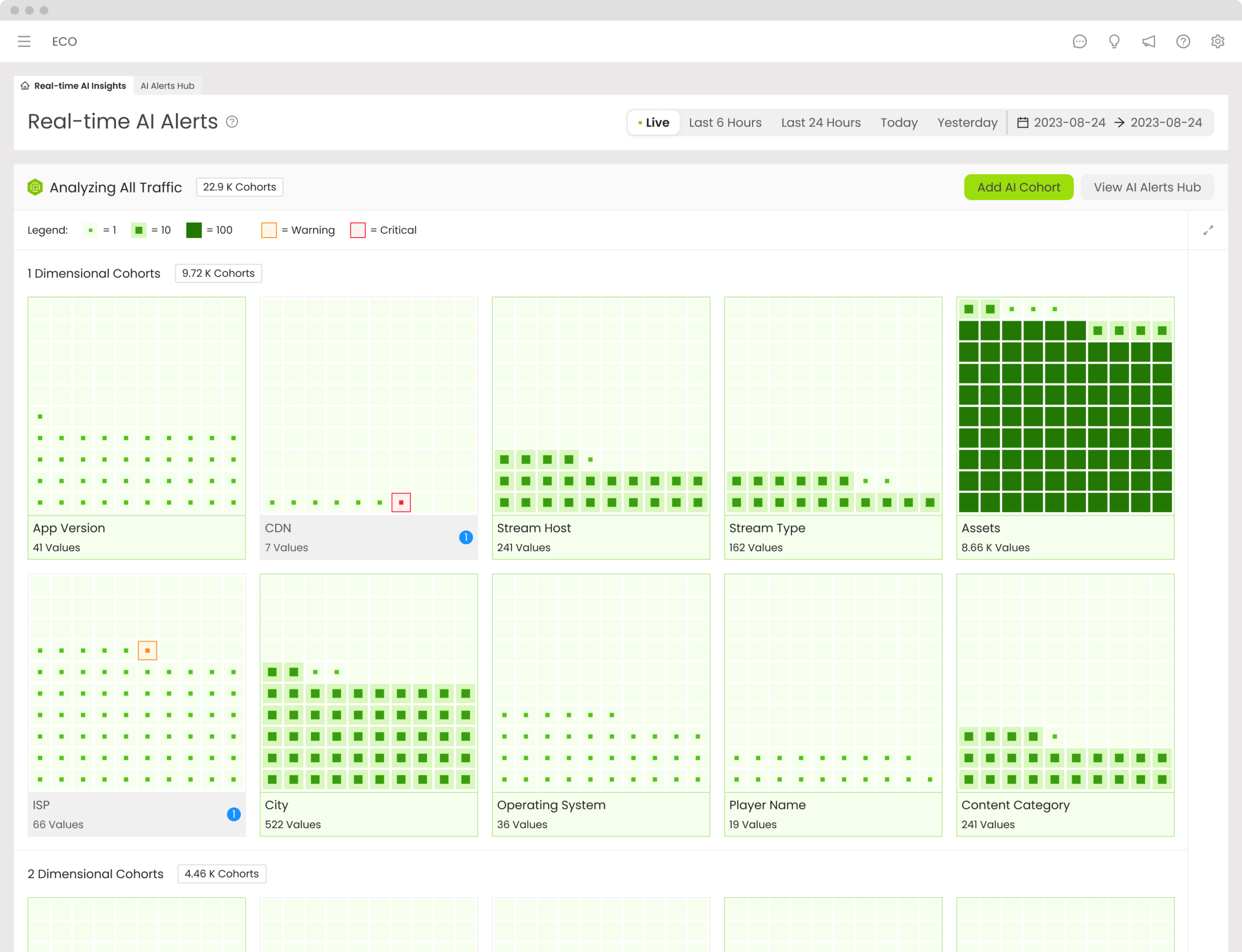
I worked on a live operations dashboard used by operations teams to monitor and respond to issues under time pressure across large-scale cloud applications. My scope focused on improving clarity and usability within an existing alerting experience, rather than redefining the underlying platform.
The design challenge was operating within performance, data-volume, and organizational constraints while making incremental improvements that helped operators act more confidently during live incidents.
OVERVIEW
I worked on a live operations dashboard used by operations teams to monitor and respond to issues under time pressure across large-scale cloud applications. My scope focused on improving clarity and usability within an existing alerting experience, rather than redefining the underlying platform.
The design challenge was operating within performance, data-volume, and organizational constraints while making incremental improvements that helped operators act more confidently during live incidents.
OVERVIEW
I worked on a live operations dashboard used by operations teams to monitor and respond to issues under time pressure across large-scale cloud applications. My scope focused on improving clarity and usability within an existing alerting experience, rather than redefining the underlying platform.
The design challenge was operating within performance, data-volume, and organizational constraints while making incremental improvements that helped operators act more confidently during live incidents.
OVERVIEW
I worked on a live operations dashboard used by operations teams to monitor and respond to issues under time pressure across large-scale cloud applications. My scope focused on improving clarity and usability within an existing alerting experience, rather than redefining the underlying platform.
The design challenge was operating within performance, data-volume, and organizational constraints while making incremental improvements that helped operators act more confidently during live incidents.
Overview
I worked on a live operations dashboard used by operations teams to monitor and respond to issues under time pressure across large-scale cloud applications. My scope focused on improving clarity and usability within an existing alerting experience, rather than redefining the underlying platform.
The design challenge was operating within performance, data-volume, and organizational constraints while making incremental improvements that helped operators act more confidently during live incidents.
What this demonstrates
Experience designing within real-time, data-heavy operational systems, balancing clarity, performance constraints, and incremental improvement under pressure.
The problem space
The platform processes high volumes of real-time signals related to application health, performance, and system behavior across distributed cloud environments. Operations teams rely on alerts to detect issues quickly and minimize downstream impact.
The feature was called “Real-time AI Alerts,” reflecting the use of learned baselines, anomaly detection, and pattern recognition to generate and prioritize alerts rather than relying on static thresholds or rules.
Because signals fluctuate constantly across services and environments, alerting needed to balance sensitivity with noise reduction so operators could trust what they were seeing without being overwhelmed.
The design problem
How might we help operations teams recognize and respond to meaningful issues without overwhelming them with noise in a real-time alerting environment?
Key constraints included:
- High signal volume with frequent fluctuations
- Low tolerance for false positives in production environments
- Performance constraints on real-time dashboards
- Existing alerting patterns that could not be fundamentally reworked
My role
I contributed to UX design for real-time alerting workflows, partnering closely with engineers and product managers. My focus was on improving how alerts were surfaced, understood, and acted on by operators, not on the underlying model logic.
I worked to reduce cognitive load during incident response and align the UI with how operators interpret signals under pressure.
Who I designed for
Real-Time AI Alerts supports teams responsible for maintaining production systems under live traffic.
SITE RELIABILITY ENGINEER
Primary focus
Protecting uptime, performance, and service-level objectives.
Responsibilities
- Monitoring system health and SLAs
- Incident response and escalation
- Reducing mean time to detection and resolution
- Preventing cascading failures
Needs
- High-signal, low-noise alerts
- Clear severity tiers
- Immediate context for root cause analysis
- Confidence that alerts are worth acting on
DEVELOPER OPERATIONS ENGINEER
Primary focus
Shipping and maintaining stable releases across environments.
Responsibilities
- CI/CD pipelines and release workflows
- Infrastructure configuration
- Rollbacks and environment parity
- Coordinating fixes across teams
Needs
- Visibility into release impact
- Clear linkage between alerts and deployments
- Traceability across versions
- Fast feedback when something breaks
Key design focus
MAKING AI-GENERATED OPERATIONAL SIGNALS ACTIONABLE UNDER PRESSURE
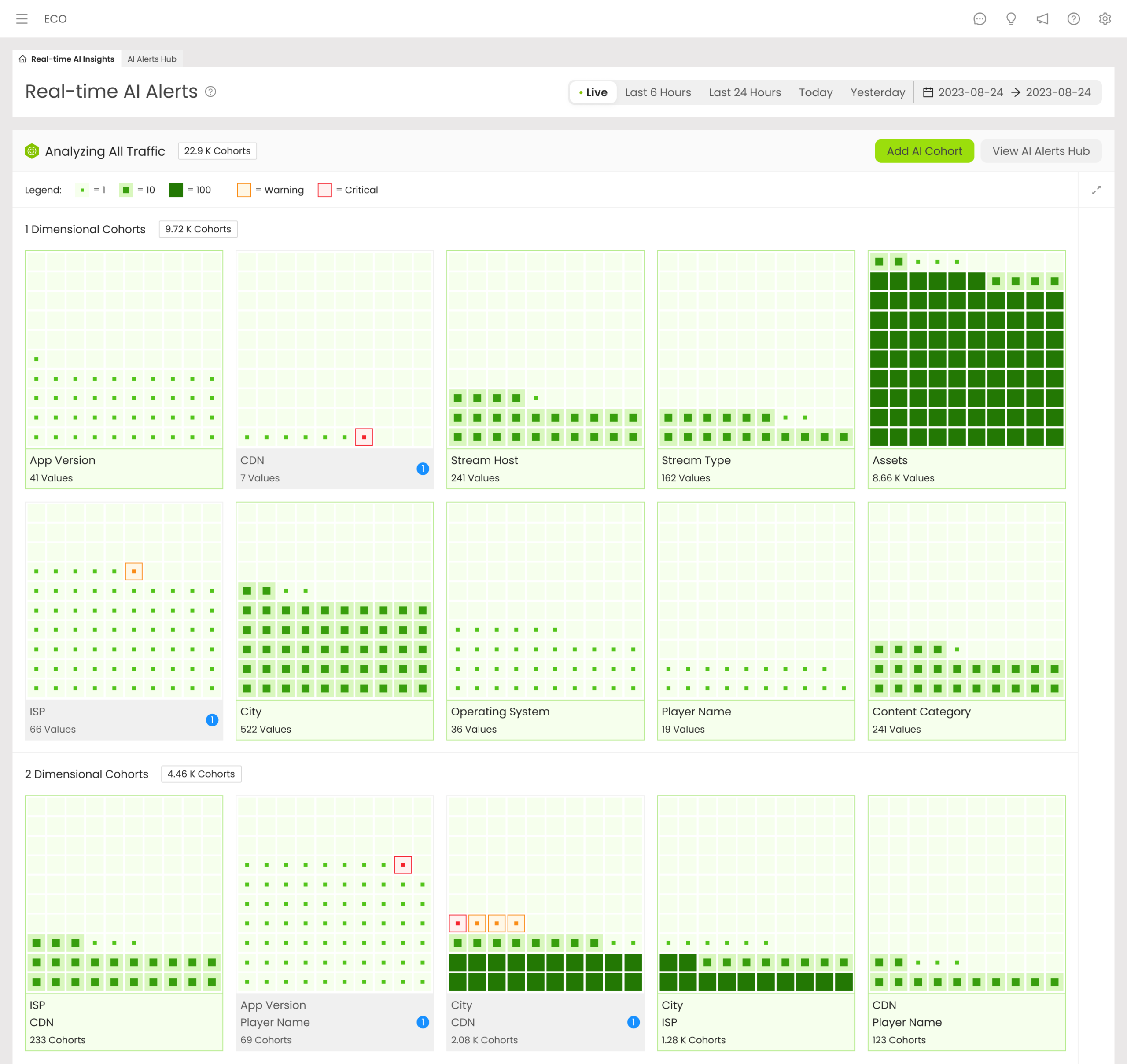
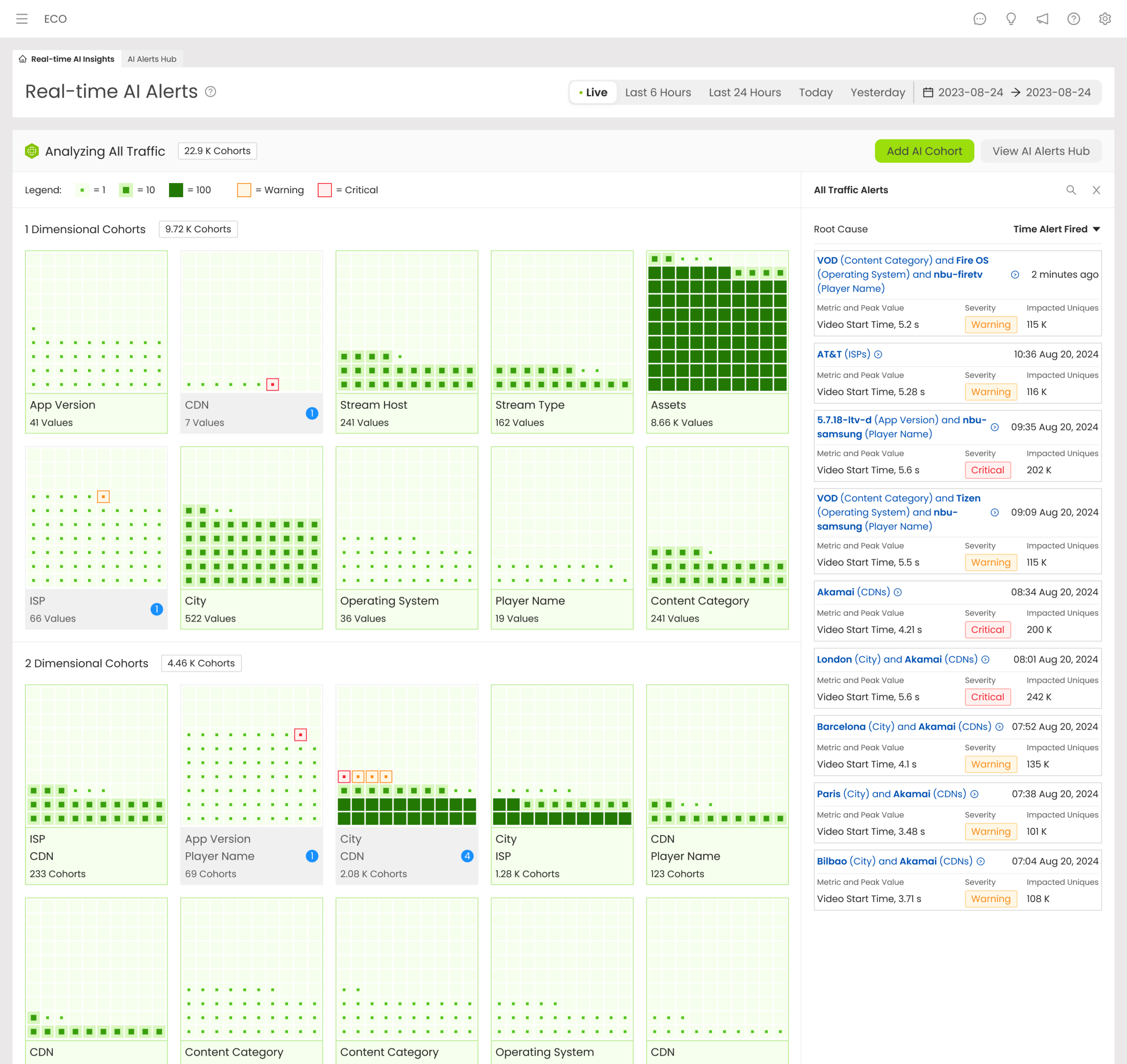
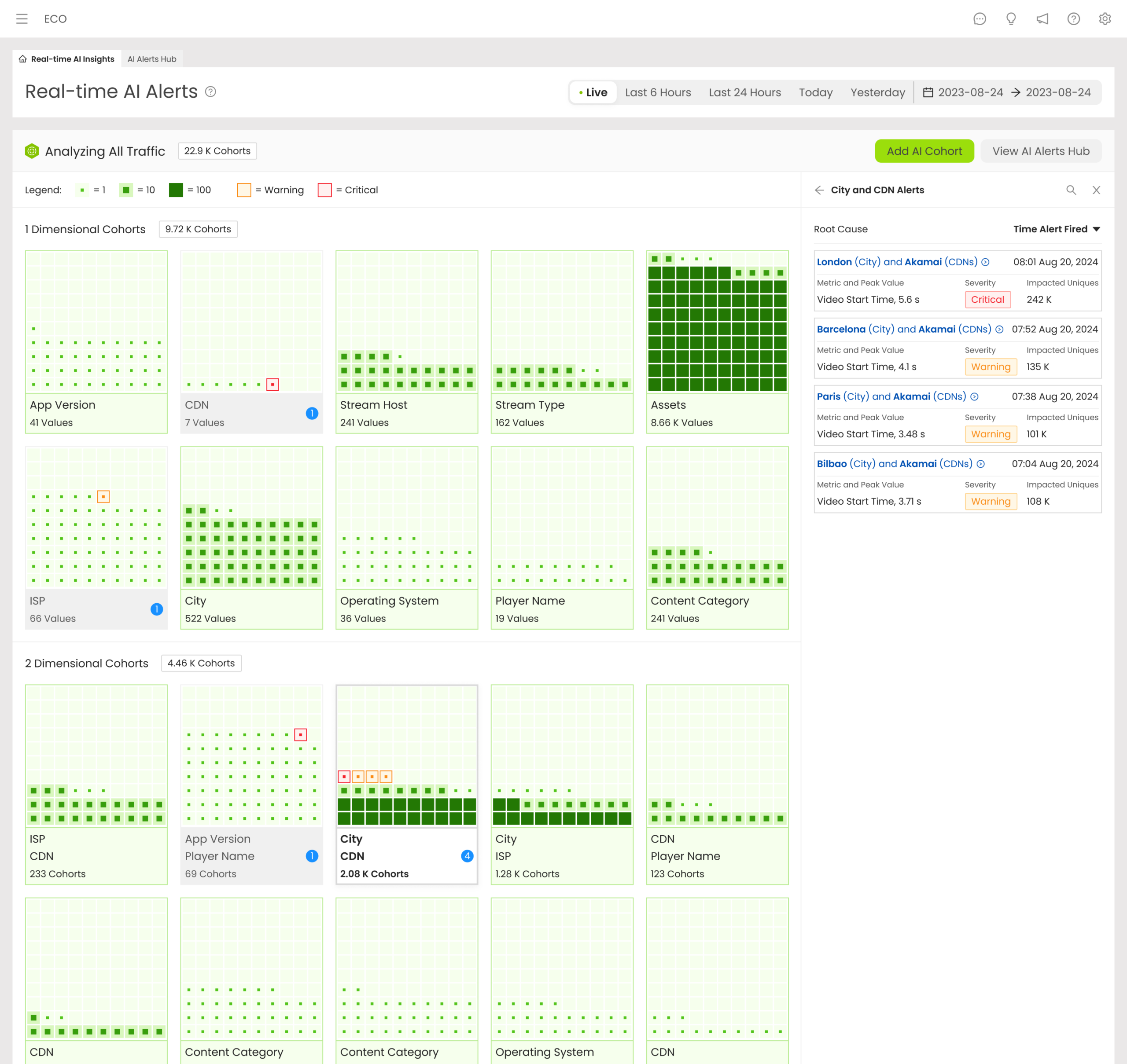
Design decisions centered on helping operators quickly understand what changed, why it mattered, and what action to take next.
- Clear visual hierarchy to distinguish critical alerts from background noise
- Contextual details surfaced on demand rather than by default
- Consistent alert patterns to reduce interpretation time
Outcomes
The changes improved the readability and usability of AI-generated alerts within existing system constraints. While the scope was incremental, the work reduced cognitive friction during monitoring and response, supporting more confident operator decision-making in production environments.
Reflection
Designing within a real-time operational system reinforced the importance of restraint. In environments where attention is limited and stakes are high, clarity and consistency matter more than feature breadth.
This experience strengthened my ability to design responsibly within constraints and to work effectively with AI-powered systems without overclaiming control over the underlying models.
Skills demonstrated:
Live operations UX, AI-assisted alerting interfaces, real-time dashboards, design under constraints, cross-functional collaboration
Portfolio
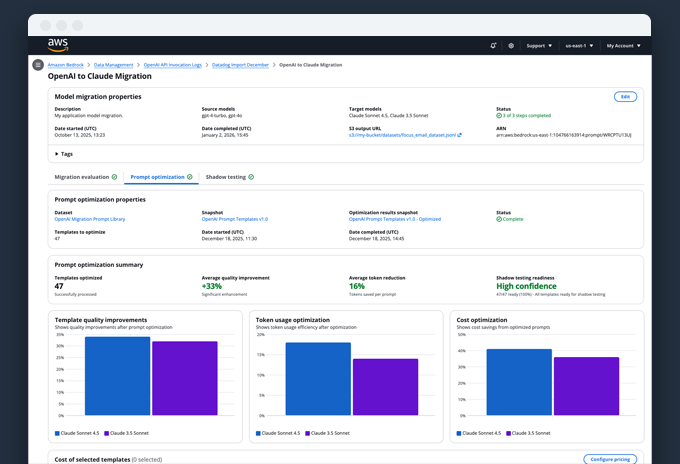
Model Migration as a Lifecycle ProblemEnabling enterprises to migrate models without losing trust, quality, or control
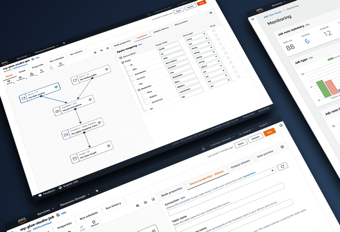
AWS Glue StudioDesigning a configuration-driven data pipeline builder for enterprise scale
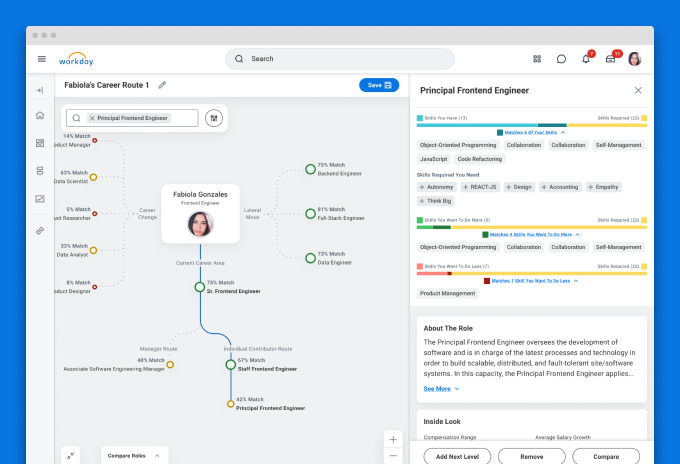
Career exploration for Workday's Career HubDesigning AI-assisted career exploration with human judgment at the center
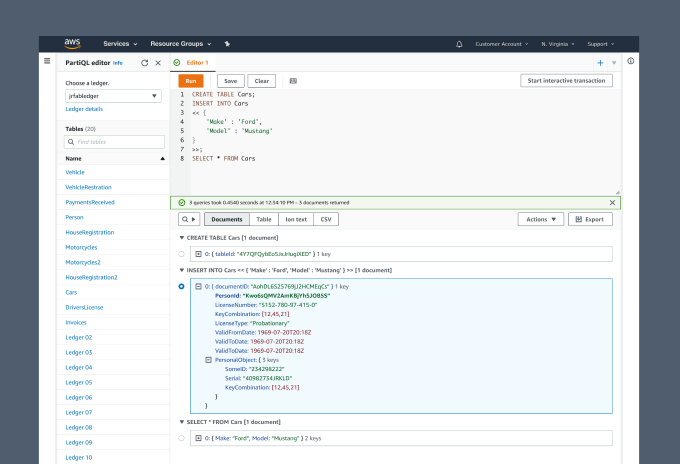
PartiQL Editor for Amazon QLDBUX Case Study
Asurion Virtual AgentUI Design
Enhanced chat for Chase mobileUI-UX design
UI for James Bond 007: World of espionageDesign system
Chase mobileUI-UX Design
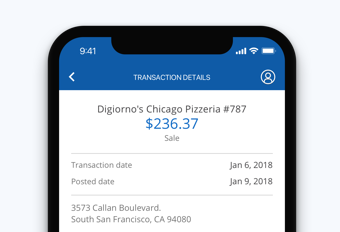
Transaction details for Chase mobileUX Case study
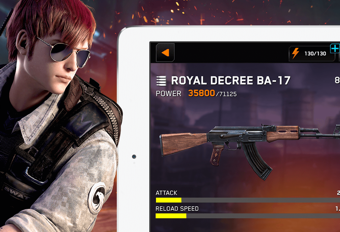
Upgrade systems for Rival FireUX case study