
UX CASE STUDY
Career Exploration for Workday's Career Hub
Workday, 2022
Designing AI-assisted career exploration with human judgment at the center
UX CASE STUDY
Career Exploration for Workday's Career Hub
Workday, 2022
Designing AI-assisted career exploration with human judgment at the center
ux case study
Career Exploration for Workday's Career Hub
Workday, 2022
Designing AI-assisted career exploration with human judgment at the center
UX CASE STUDY
Career Exploration for Workday's Career Hub
Workday, 2022
Designing AI-assisted career exploration with human judgment at the center
UX CASE STUDY
Career Exploration for Workday's Career Hub
Workday, 2022
Designing AI-assisted career exploration with human judgment at the center

OVERVIEW
Workday Career Hub supports employees as they explore potential career paths within a large enterprise. The design challenge was not generating recommendations, but helping users interpret AI-assisted insights responsibly in decisions that affect their careers.
My role focused on designing experiences that supported exploration without prescriptiveness, clearly communicated uncertainty, and preserved user agency in a regulated enterprise environment.
OVERVIEW
Workday Career Hub supports employees as they explore potential career paths within a large enterprise. The design challenge was not generating recommendations, but helping users interpret AI-assisted insights responsibly in decisions that affect their careers.
My role focused on designing experiences that supported exploration without prescriptiveness, clearly communicated uncertainty, and preserved user agency in a regulated enterprise environment.
Overview
Workday Career Hub supports employees as they explore potential career paths within a large enterprise. The design challenge was not generating recommendations, but helping users interpret AI-assisted insights responsibly in decisions that affect their careers.
My role focused on designing experiences that supported exploration without prescriptiveness, clearly communicated uncertainty, and preserved user agency in a regulated enterprise environment.
What this demonstrates
Designing AI-assisted enterprise features that respect human judgment, explainability, and trust in high-impact domains.
The problem space
Workday Career Hub is used by enterprises to support employee development, internal mobility, and long-term workforce planning. Career exploration is a sensitive domain where decisions carry real consequences, which raises the bar for how AI-assisted insights are introduced.
Any system suggesting career paths must be interpretable, contextual, and clearly positioned as support for exploration rather than direction or instruction.
The design problem
How might we help employees explore potential career paths using AI-assisted insights while preserving agency, trust, and interpretability in an enterprise setting?
Key constraints included:
- Career decisions have long-term personal and professional impact
- AI suggestions can be misinterpreted as directives
- Users need context, not confidence
- Enterprise products require consistency, restraint, and explainability
My role
I led UX design for career exploration features within Workday Career Hub, partnering closely with product, engineering, and data science teams.
My focus was on shaping how AI-assisted insights were framed, explained, and integrated into existing workflows so users could interpret them appropriately rather than follow them blindly. I worked within enterprise constraints around reliability, governance, and trust.
Who I designed for
THE CAREER NAVIGATOR
Workday Explore was built for employees navigating career growth inside a complex organization.
Primary focus
Early to mid career employee inside a large enterprise who wants to understand where they can grow and how to get there.
Responsibilities
- Tracking skills and competencies
- Identifying internal mobility opportunities
- Aligning development goals with business needs
- Making informed career decisions
Pain points
- Limited visibility into adjacent roles
- Unclear skill gaps between current and target roles
- Static job descriptions that lack context
- Career planning that feels abstract or disconnected
Needs
- Clear skill-to-role mapping
- Visibility into realistic next steps
- Personalized recommendations
- Confidence that their effort leads somewhere tangible
Key design principles
DECISION SUPPORT, NOT DECISION MAKING


AI-assisted insights were positioned as inputs for exploration, not recommendations to act on.
- Language avoided prescriptive phrasing
- Multiple potential paths were shown rather than a single “best” outcome
- Users retained control over interpretation and next steps
EXPLAINABILITY BEFORE CONFIDENCE


The experience prioritized helping users understand why certain paths appeared, rather than presenting results as authoritative.
- Clear explanations of contributing factors
- Context surfaced alongside suggestions
- No opaque scoring or unexplained rankings
Outcomes
The resulting experience allowed employees to explore career possibilities with additional context while preserving trust and agency. AI-assisted insights complemented existing Career Hub tools rather than replacing them, aligning with enterprise expectations for responsible automation.
Reflection
Designing career exploration features within Workday reinforced the importance of restraint when applying AI to human-centered decisions. In enterprise environments, success is measured not by how confident a system appears, but by how well it supports thoughtful, informed decision-making.
This project shaped my approach to AI design as augmentation, not authority.
Portfolio
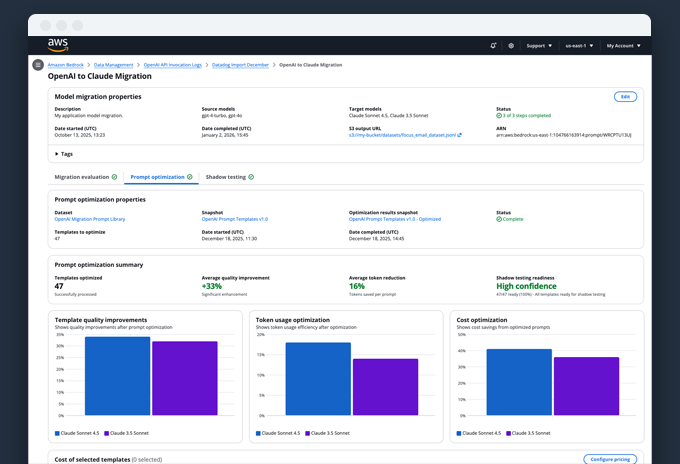
Model Migration as a Lifecycle ProblemEnabling enterprises to migrate models without losing trust, quality, or control
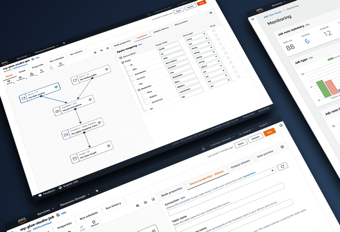
AWS Glue StudioDesigning a configuration-driven data pipeline builder for enterprise scale
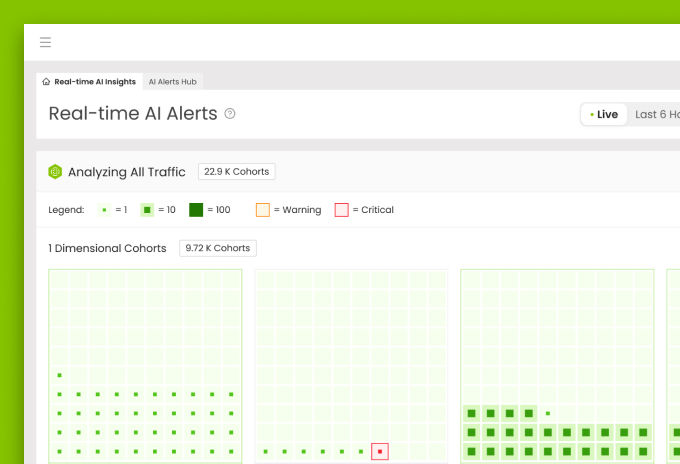
Live Ops Alerting DashboardDesigning clarity for real-time operational decision-making
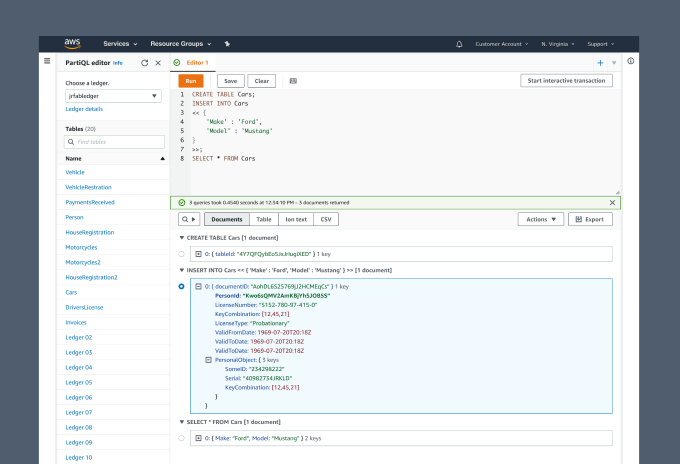
PartiQL Editor for Amazon QLDBUX Case Study
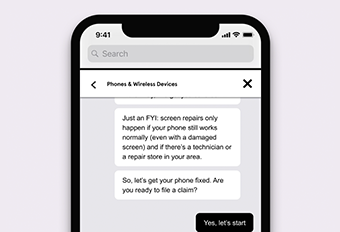
Asurion Virtual AgentUI Design
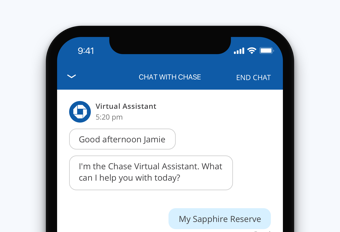
Enhanced chat for Chase mobileUI-UX design
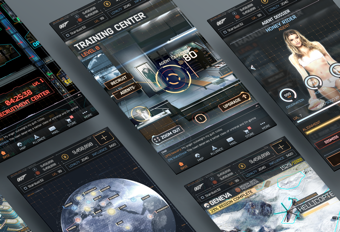
UI for James Bond 007: World of espionageDesign system
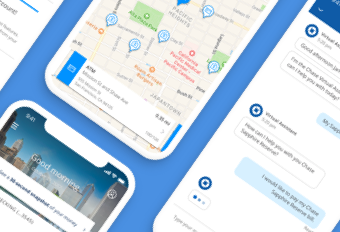
Chase mobileUI-UX Design
Transaction details for Chase mobileUX Case study

Upgrade systems for Rival FireUX case study